Las Piscinas
About the project
Italiano
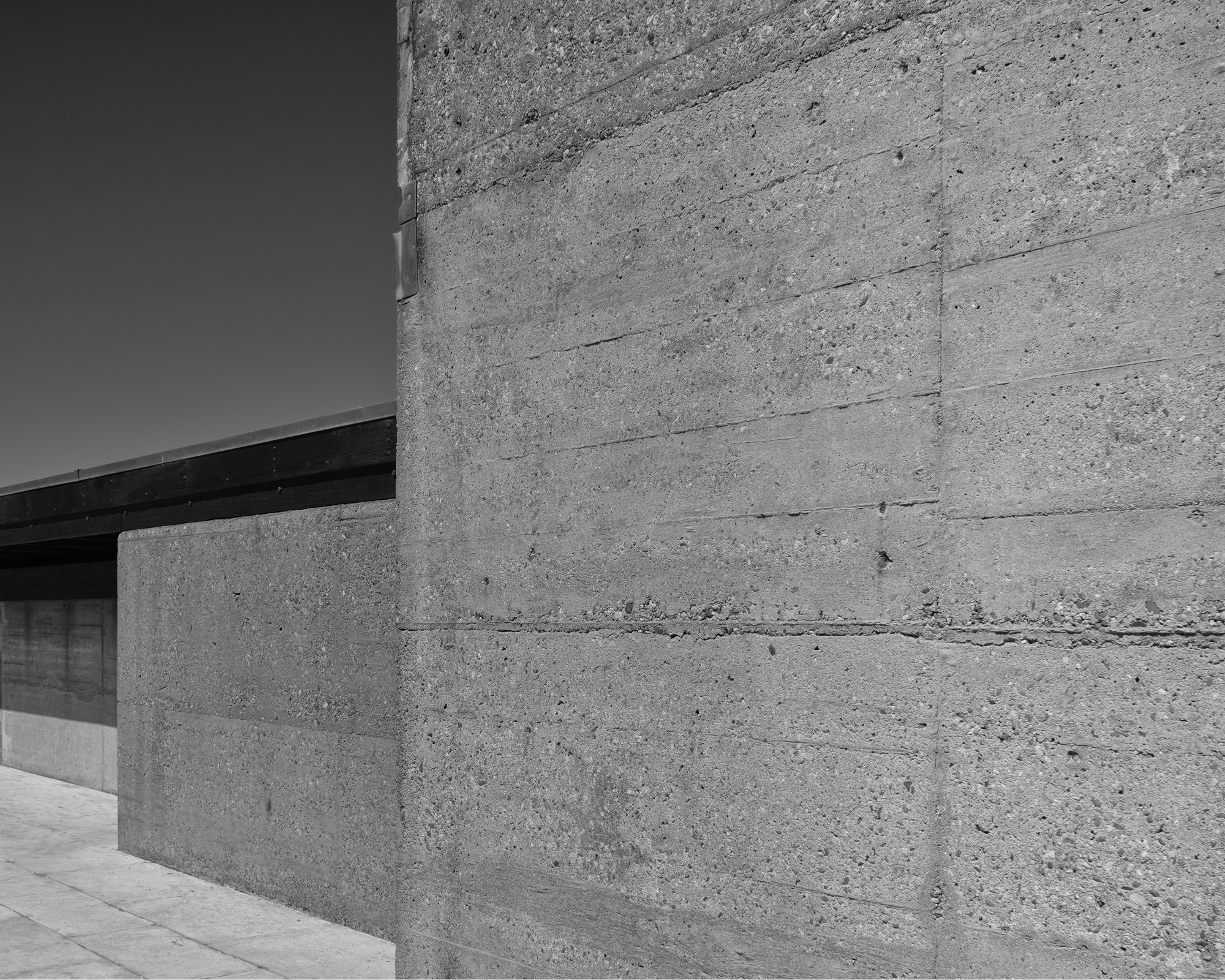
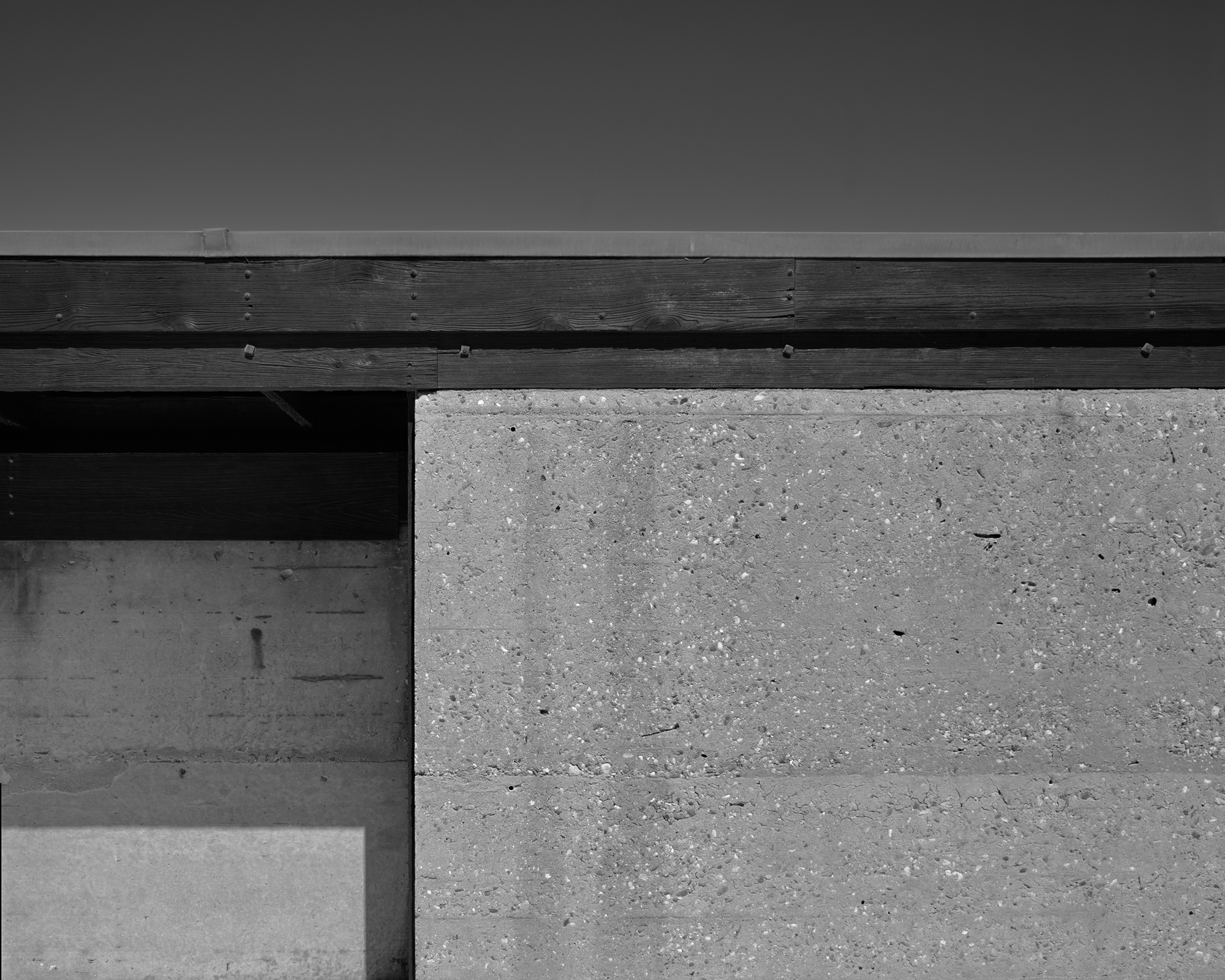
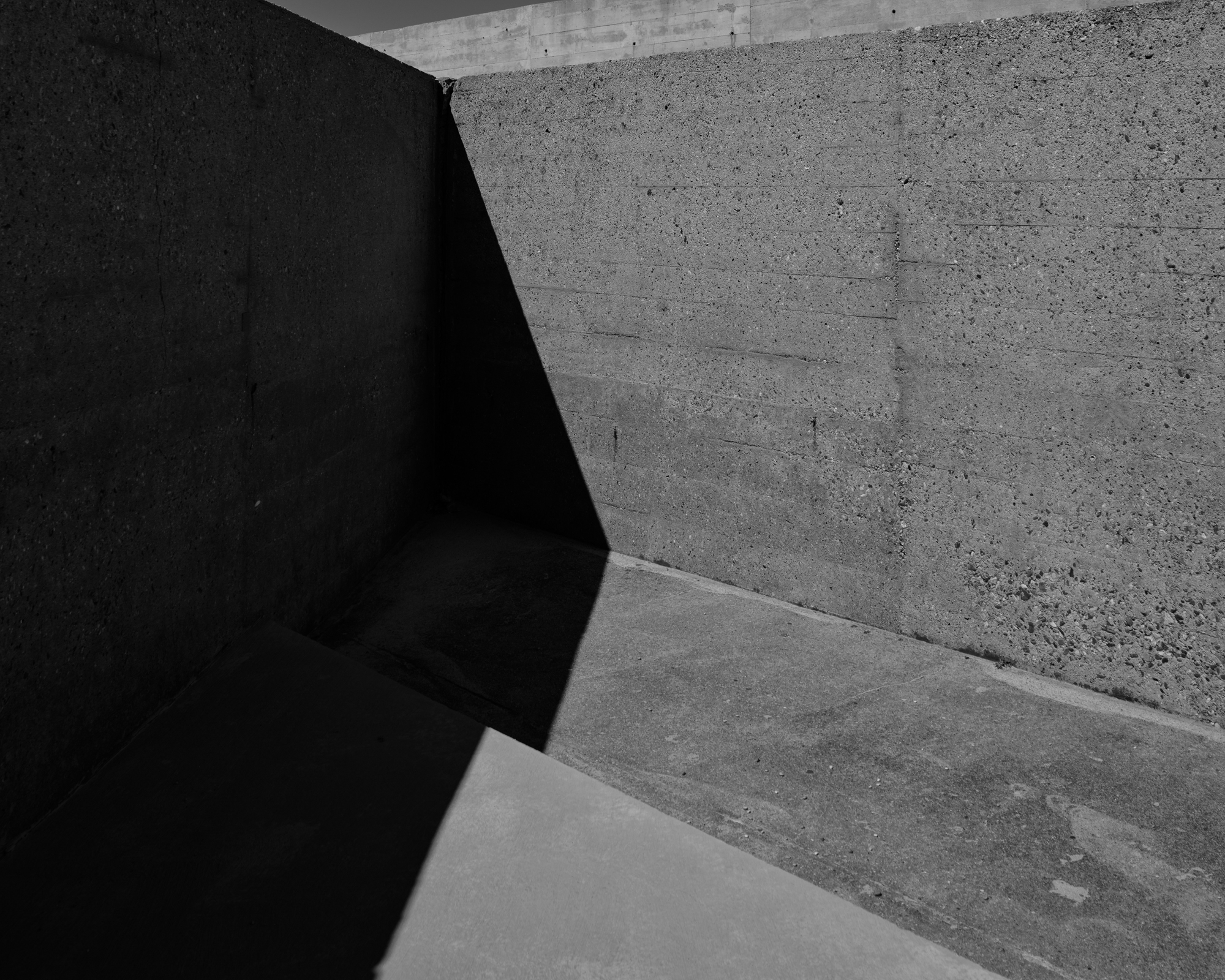
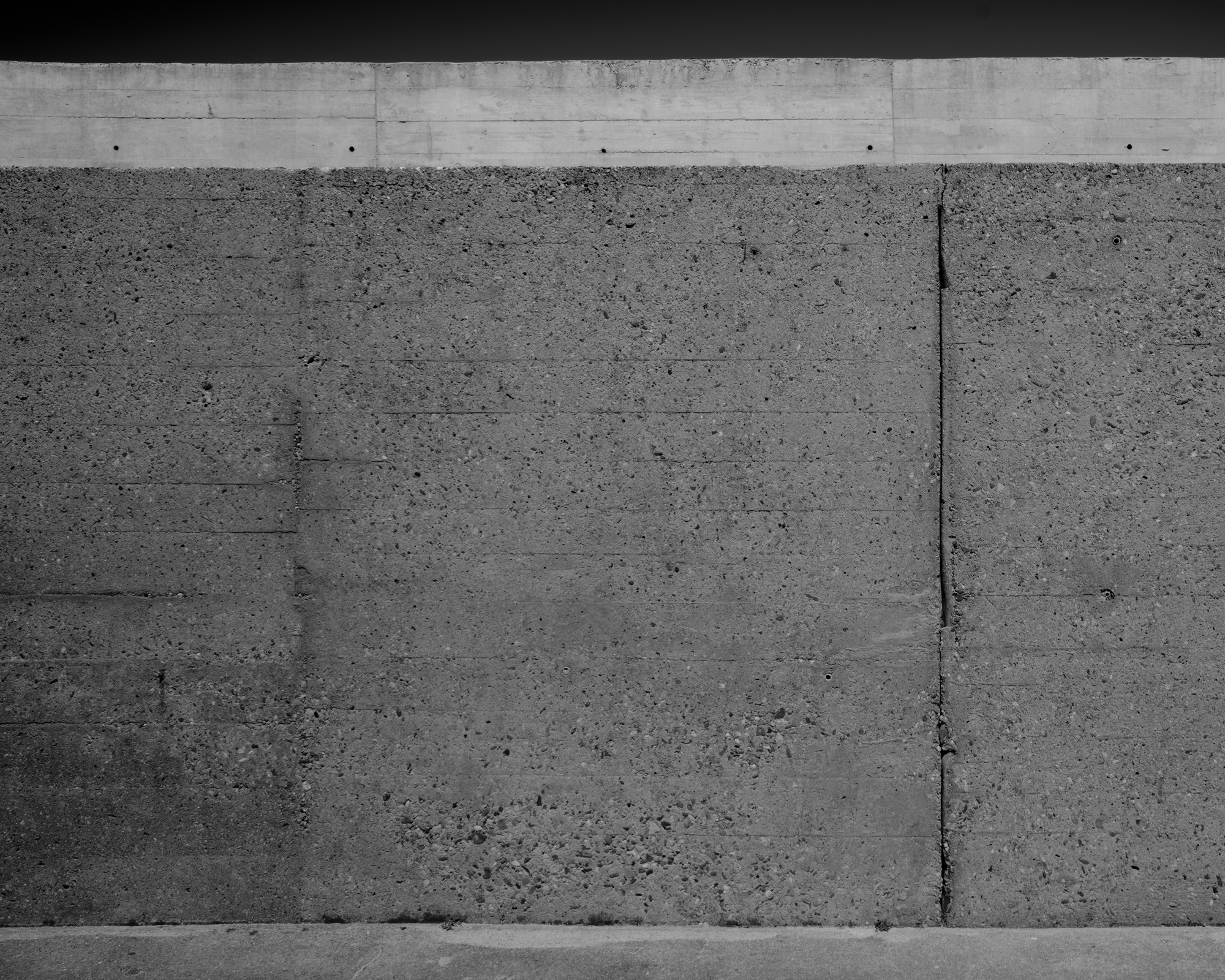
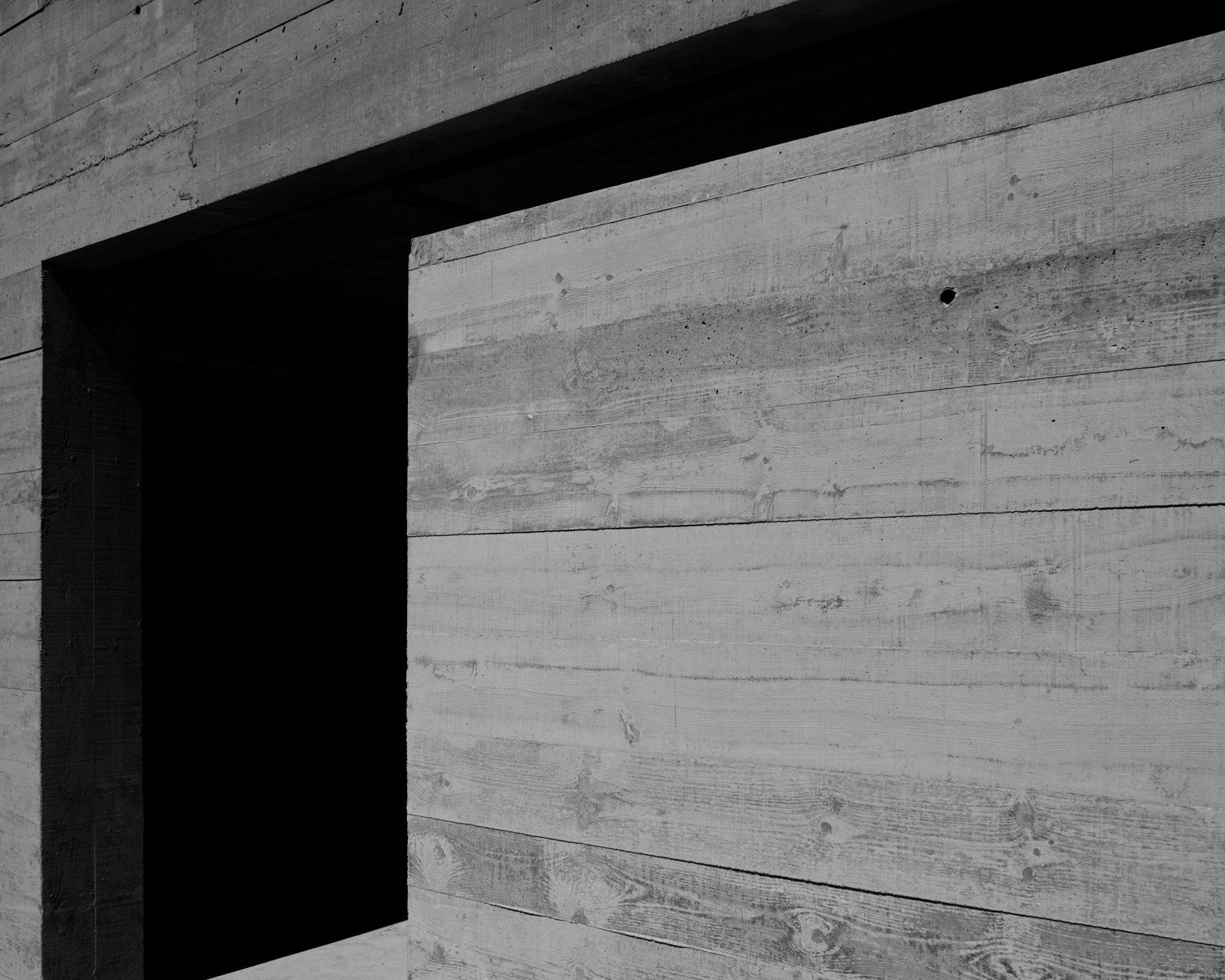
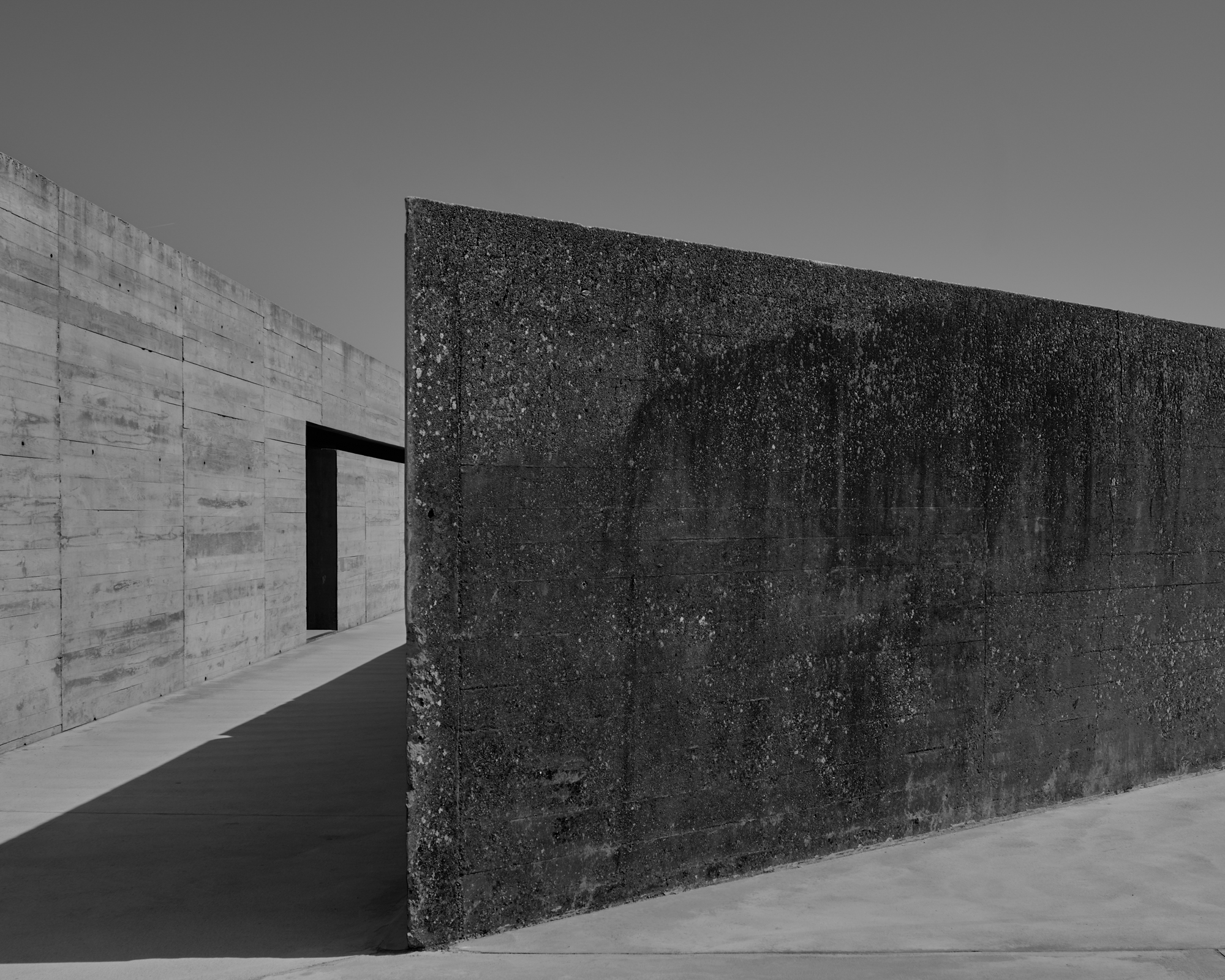
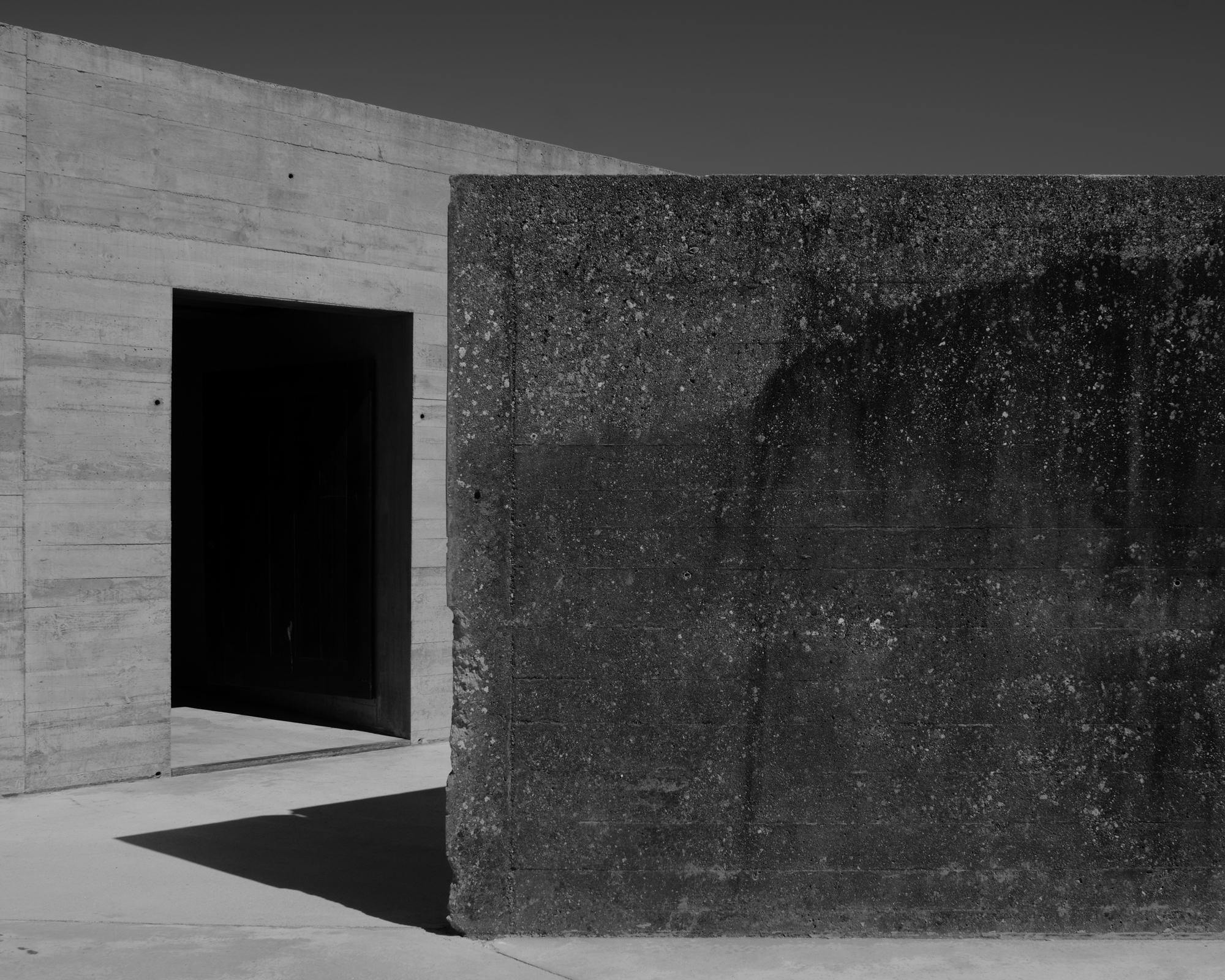
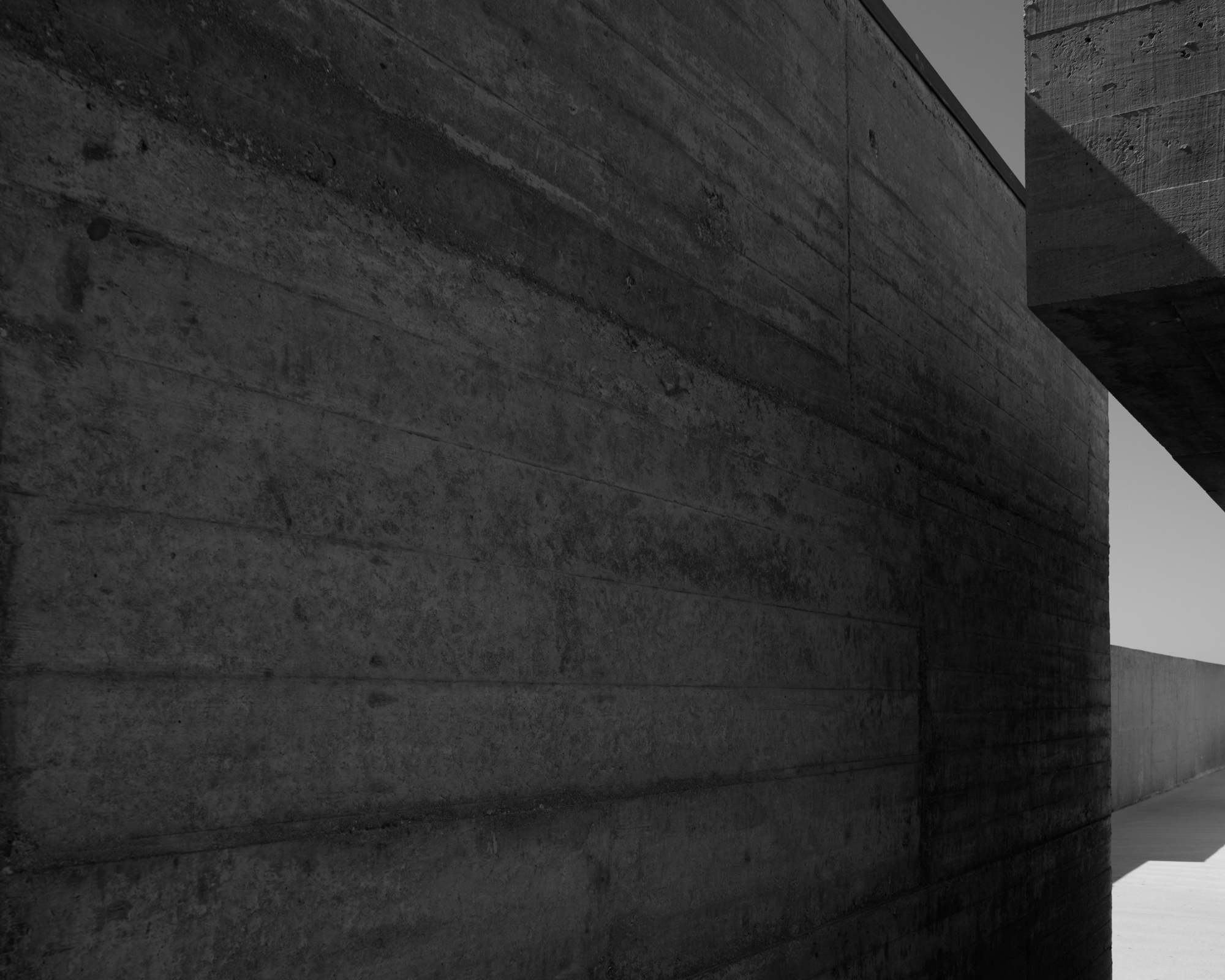
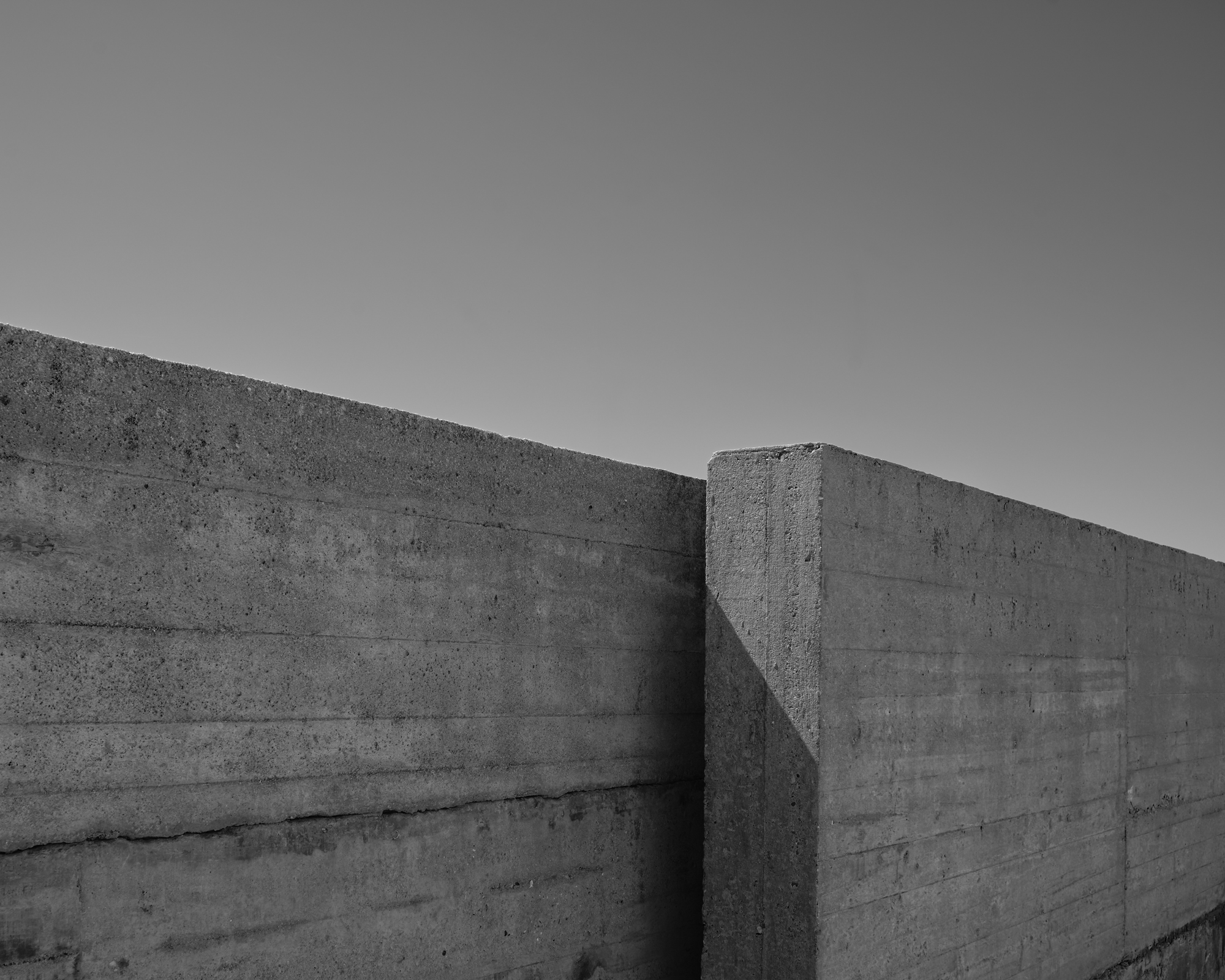
Las Piscinas nasce dall’incontro con un’architettura in cui la funzione sembra arretrare, lasciando emergere la forza elementare dello spazio. Il cemento, inciso dal tempo, non è soltanto materia, ma una superficie sensibile che trattiene luce, ombra, temperatura e memoria.
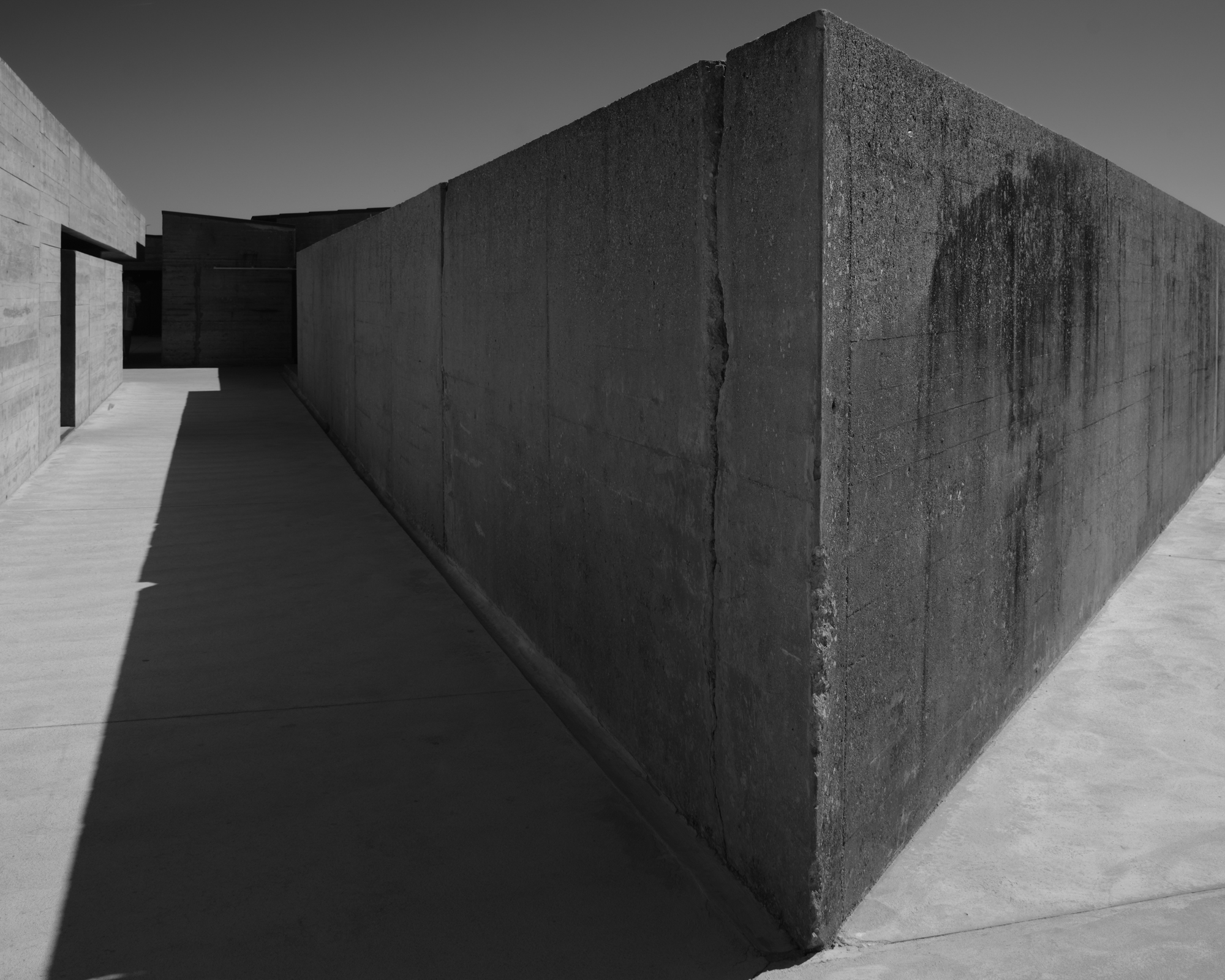
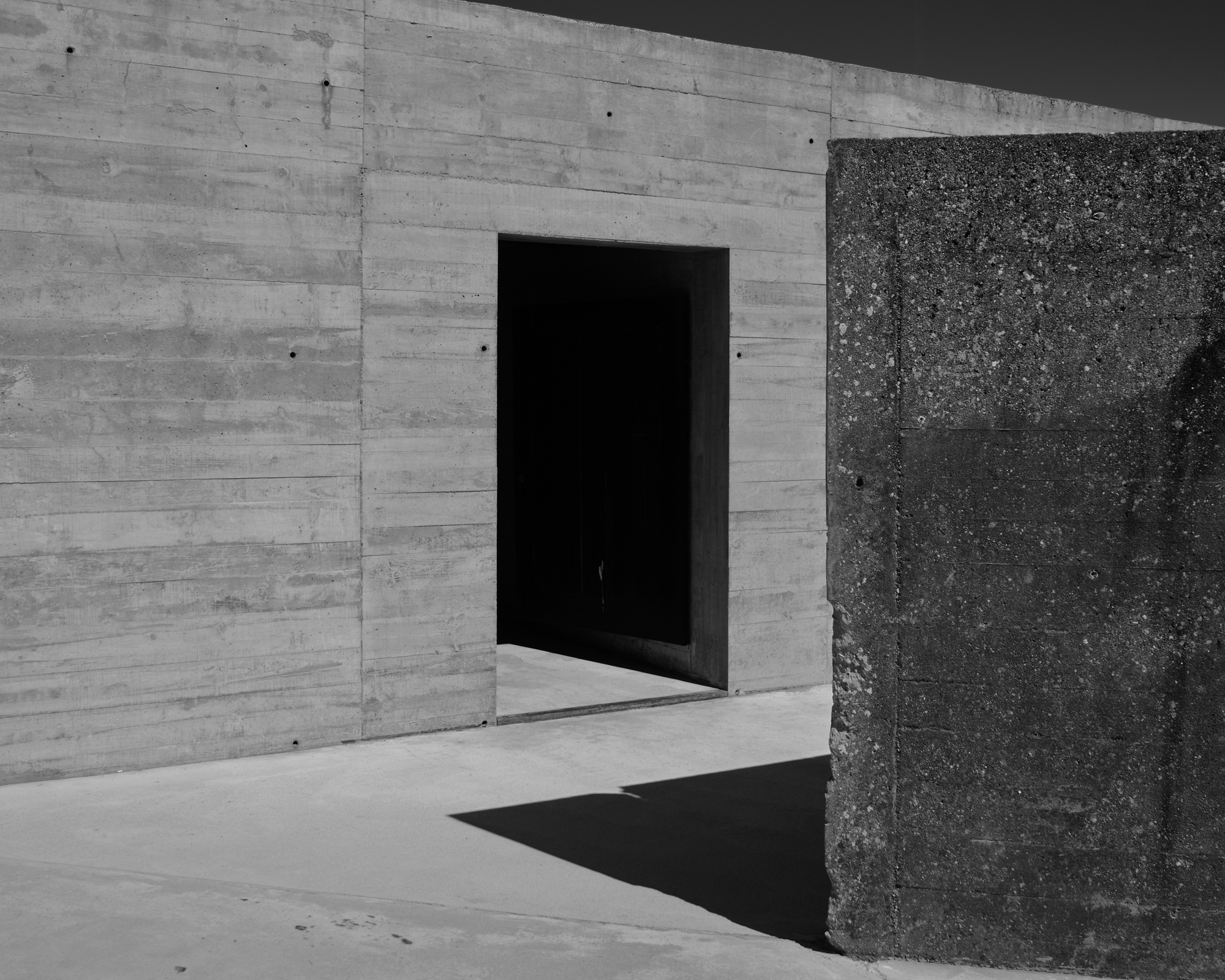
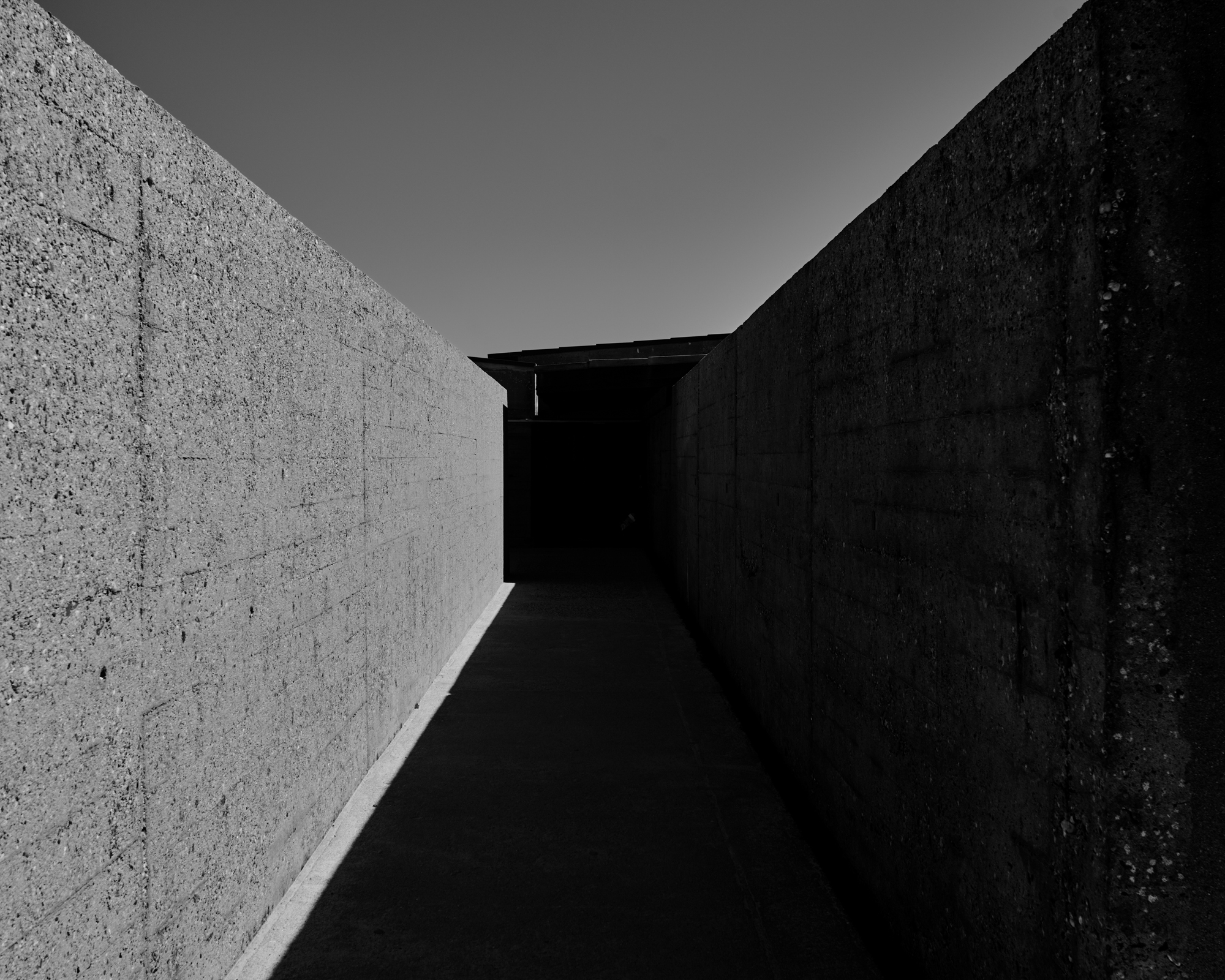
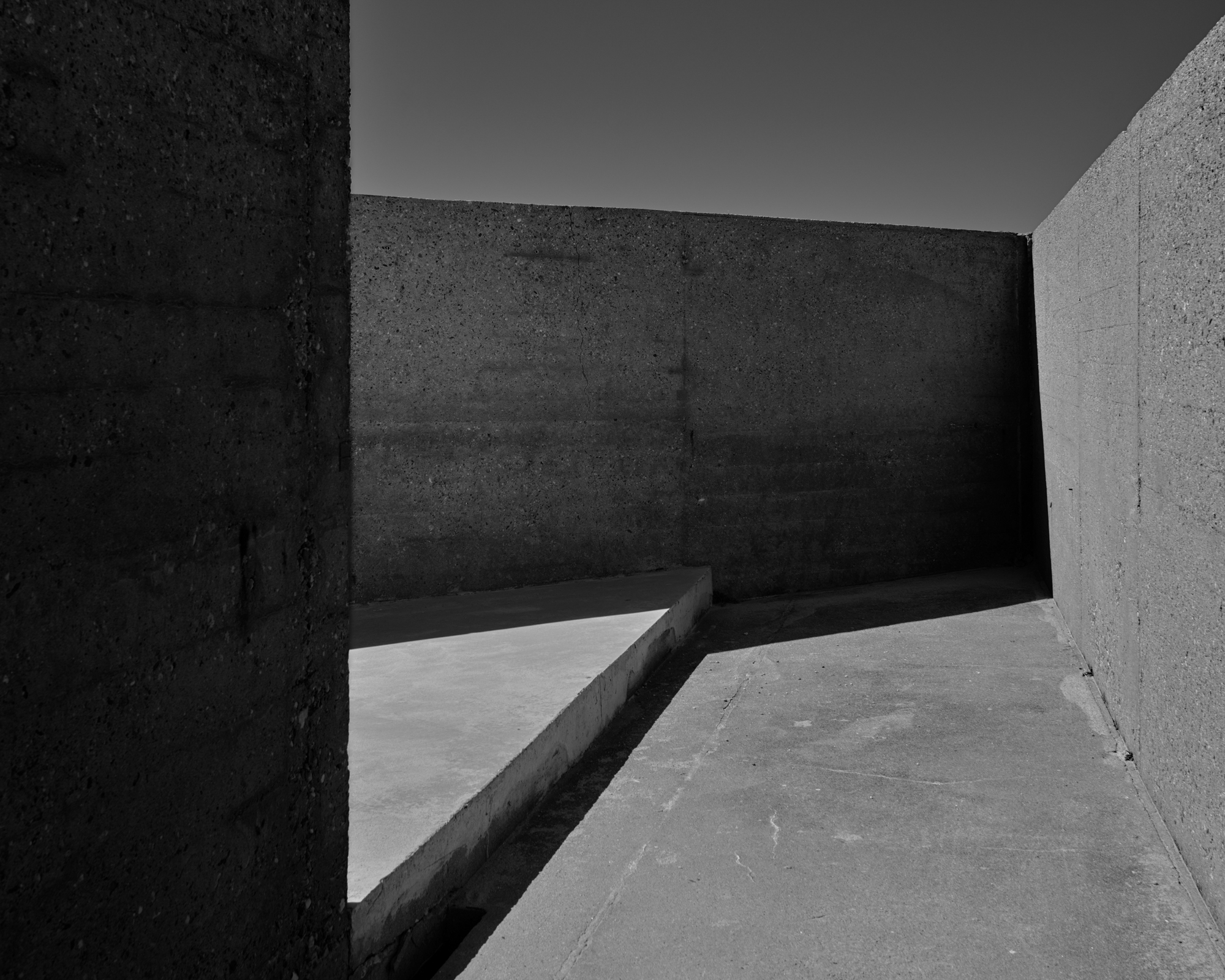
Il lavoro si muove sul confine tra documento e astrazione. Attraverso un bianco e nero netto, cerco il punto in cui l’edificio smette di essere un oggetto da descrivere e diventa un’esperienza percettiva: una sequenza di soglie, muri, aperture e silenzi.
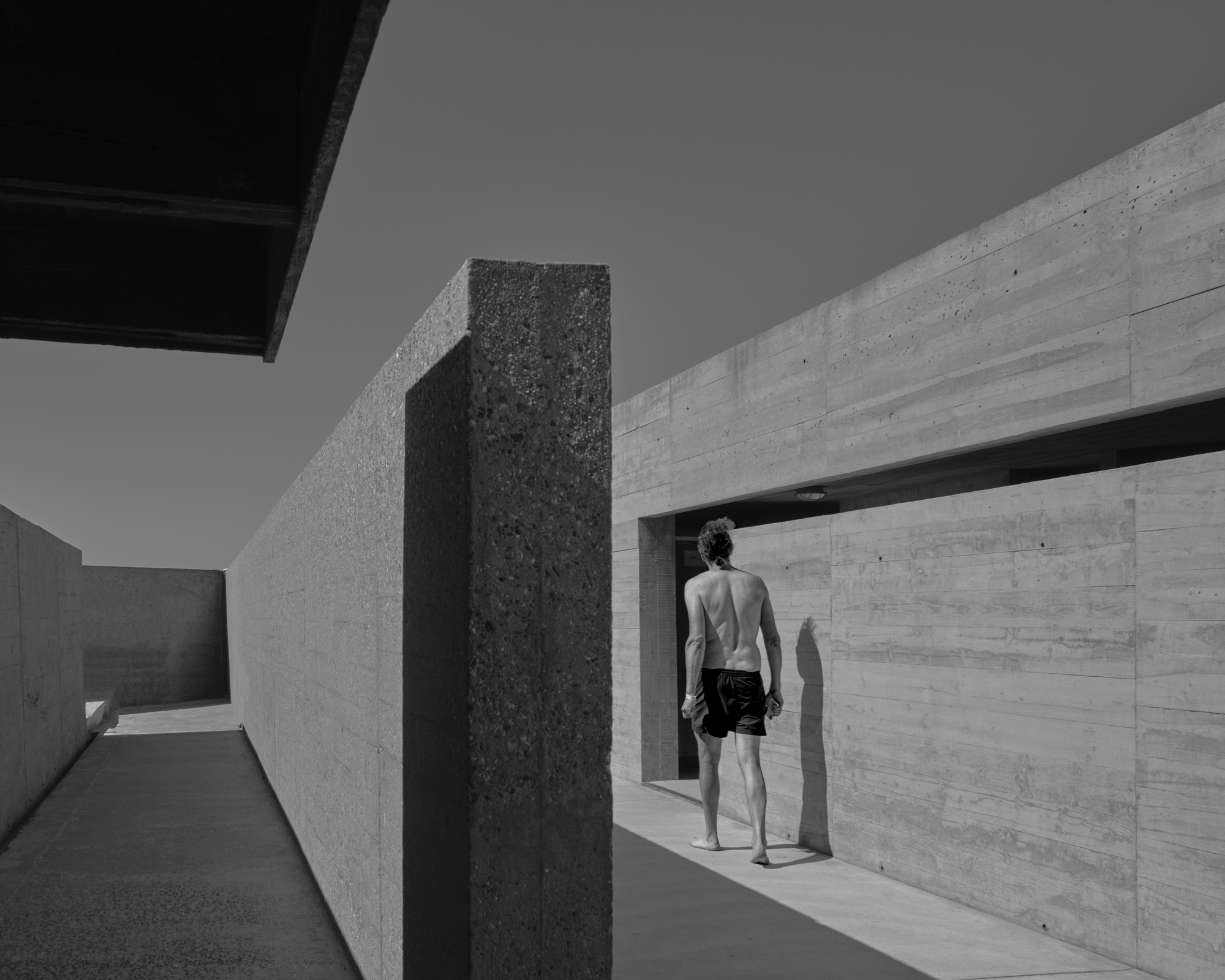
La piscina rimane come promessa e come assenza. L’acqua è evocata più che mostrata; il corpo appare come misura temporanea di volumi concepiti per accoglierlo. La presenza umana non interrompe l’ordine dell’architettura, ma ne rivela la scala, il tempo e la vulnerabilità.
Las Piscinas prosegue la mia ricerca sul rapporto tra spazio costruito, paesaggio e memoria. Mi interessa osservare come i luoghi conservino tracce, tensioni e possibilità quando il loro uso immediato scompare dall’immagine. Fotografare diventa allora un modo per attraversarli: non per fissarne una forma definitiva, ma per ascoltare ciò che rimane quando la funzione arretra e lo spazio torna a essere domanda.
English
Las Piscinas begins with an encounter with an architecture whose function appears to recede, allowing the elemental force of space to emerge. Concrete, marked by time, is more than a material: it becomes a sensitive surface that holds light, shadow, temperature and memory.
The work moves along the boundary between documentation and abstraction. Through stark black and white, I search for the point at which a building ceases to be an object to describe and becomes a perceptual experience: a sequence of thresholds, walls, openings and silences.
The pool remains both a promise and an absence. Water is suggested rather than shown; the body appears as a temporary measure of volumes conceived to receive it. Human presence does not disrupt the architecture’s order, but reveals its scale, its temporality and its vulnerability.
Las Piscinas extends my ongoing research into the relationship between the built environment, landscape and memory. I am interested in how places retain traces, tensions and possibilities when their immediate use disappears from view. Photography then becomes a way of moving through them: not to impose a definitive form, but to listen to what remains when function recedes and space becomes a question again.
Photographs
14 images